What Are The Benefits Of Peptide Therapy ? The Complete 2026 Guide For Patients , Researchers Biohackers And Healthcare Professionals

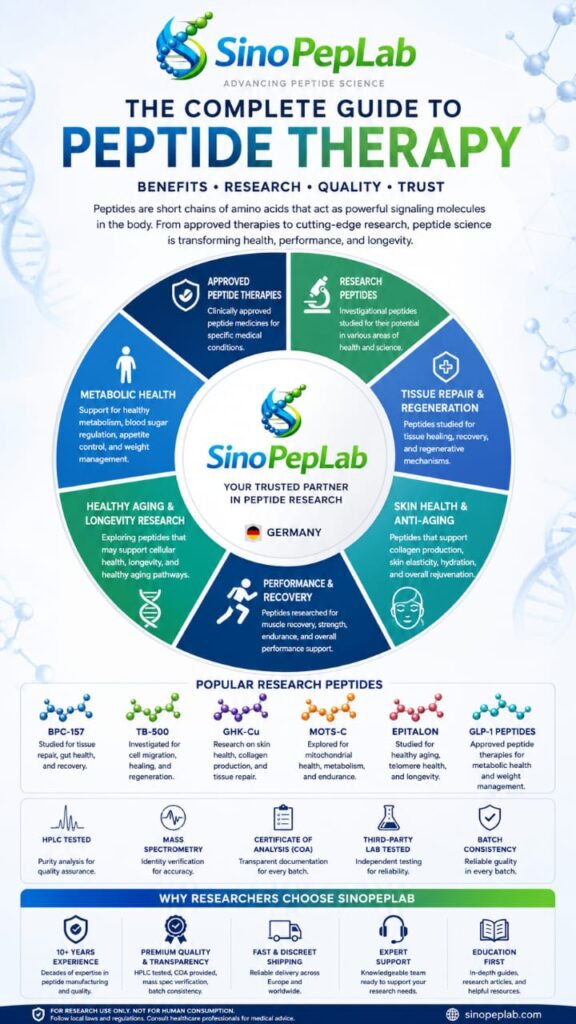
Are Peptides Safe For Long -Term Use ?Table of Contents
- Introduction
2. What Is Peptide Therapy?
3. How Does Peptide Therapy Work?
4. Why Is Peptide Therapy Becoming So Popular?
5. The Science Behind Peptides
6. Peptide Therapy vs Traditional Medicines
7. Who Can Benefit from Learning About Peptide Therapy?
8. Sinopeplab’s Mission
9. What You’ll Learn in This Guide
Introduction
Over the last decade, peptide therapy has evolved from a relatively niche scientific field into one of the most talked-about areas in modern biomedical research. Researchers across Europe and around the world are investigating peptides for their unique ability to interact with specific biological pathways, making them valuable tools for studying metabolism, tissue repair, hormone signaling, skin biology, and healthy aging.
At the same time, public interest has grown rapidly. Patients want to understand what peptide therapy is. Biohackers are curious about its potential role in performance and longevity. Healthcare professionals are following advances in peptide-based medicines. Researchers continue to explore new applications in regenerative medicine and molecular biology.
Despite this growing attention, there is also widespread confusion.
Many people believe peptide therapy is the same as steroid use. Others assume every peptide is an approved medicine or that all peptide therapies have already been proven effective. Some believe peptides work instantly or are inherently dangerous.
The reality is more nuanced.
Some peptide-based medicines have been approved for specific medical uses after rigorous clinical testing. At the same time, many other peptides remain the subject of ongoing scientific research. Understanding this distinction is essential for anyone seeking reliable information.
This guide is designed to help you understand peptide therapy from both a scientific and practical perspective. Whether you are a patient, researcher, healthcare professional, fitness enthusiast, longevity advocate, or first-time peptide buyer, you will gain a clear understanding of what peptide therapy is, why it is attracting so much attention, and how to evaluate peptide quality responsibly.
What Is Peptide Therapy ?
Peptide therapy refers to the use of specific peptides to interact with biological pathways in the body. Peptides themselves are short chains of amino acids, the same building blocks that make up proteins. Unlike larger proteins, peptides are smaller molecules that often act as signaling messengers, helping cells communicate and regulate normal biological functions.
Naturally occurring peptides already play vital roles in the human body. For example, peptide hormones help regulate metabolism, appetite, growth, and other essential physiological processes.
Scientists have also developed synthetic peptides that are structurally designed to mimic or influence these natural signaling mechanisms. Some of these peptides have become approved medicines for particular conditions, while many others are being studied to better understand their biological effects.
The field of peptide therapy continues to evolve as researchers discover new ways peptides may contribute to understanding complex biological systems.
How Does Peptide Therapy Work ?
One of the reasons peptide therapy has attracted scientific interest is its ability to interact with highly specific receptors.
Imagine that every cell in the body has thousands of tiny locks on its surface. Peptides can be thought of as specially shaped keys. When the correct peptide reaches the correct receptor, it may activate or influence a particular biological signaling pathway.
This highly targeted communication is different from many traditional compounds that may affect several systems at once.
Researchers continue studying peptide signaling in areas such as:
.Cellular communication
.Hormonal regulation
.Metabolic pathways
.Immune signaling
.Tissue maintenance
.Collagen production
.Mitochondrial function
Because of this specificity, peptides have become valuable tools in both scientific research and the development of certain peptide-based medicines.
Why is Peptide Therapy Becoming So Popular ?
Several factors have contributed to the rapid growth of peptide therapy.
- Advances in Biotechnology
Modern peptide synthesis technologies have made it possible to manufacture peptides with greater precision and consistency than ever before.
- Better Understanding Of Cellular Biology
Researchers now have a deeper understanding of how cells communicate using signaling molecules.
- Growing Interest In Healthy Aging
Healthy aging research has expanded significantly over the past decade, leading scientists to investigate peptides involved in cellular maintenance and metabolism.
- Expansion of Metabolic Research
The development of peptide-based medicines for metabolic conditions has increased awareness of peptide science among healthcare professionals and the public.
- Increased Focus On Regenerative Medicine
Scientists continue investigating how peptide signaling contributes to tissue repair, cellular communication, and biological maintenance.
The Science Behind Peptides
To understand peptide therapy, it is helpful to understand what peptides actually are.
Peptides are made from amino acids linked together by peptide bonds.
Most peptides contain between two and fifty amino acids. Once chains become substantially larger, they are generally classified as proteins.
Although peptides are smaller than proteins, they often perform highly specialized signaling functions.
Examples of naturally occurring peptides include:
.Insulin
.Glucagon
.Oxytocin
.Vasopressin
These molecules demonstrate that peptides are a normal part of human biology rather than artificial substances.
Scientists are interested in peptides because of their ability to influence specific biological pathways with precision.
Peptide Therapy vs Traditional Medeicines
One of the most common questions patients ask is whether peptide therapy is fundamentally different from traditional medications.
The answer depends on the specific peptide and its intended use.
Feature Peptide-Based Approaches Many Traditional Medicines
| Primary Action | Targets Specific Biological Signaling pathways | May Act On Broader Biological Systems |
| Molecular Structure | Short Chains Of Amino Acids | Varies Depending on the Medication |
| Origin | May Mimic Naturally Occurring Peptides | Synthetic Or Natural Derived Compounds |
| Research Activity | Rapidly Growing Field | Well-established across Many Conditions |
It is important to note that not every peptide has established clinical benefits. Some peptide therapies are approved for specific medical uses, while many others remain under investigation. Any therapeutic use should be guided by qualified healthcare professionals.
Common Areas Of Scientific Interest
Researchers continue exploring peptides in many areas of biology.
Current areas of investigation include:
.Metabolic regulation
.Tissue regeneration
.Skin biology
.Orthopedic research
.Muscle degeneration research
.Healthy aging
.Cellular communication
.Hormonal signaling
.Mitochondrial biology
.Collagen synthesis
This growing body of research continues to improve our understanding of how peptides function in biological systems.
Who Can Benefit From Learning About Peptide Therapy
Patients
Patients interested in understanding peptide-based treatments should learn about the differences between approved therapies and research peptides.
Healthcare Professionals
Healthcare professionals benefit from staying informed about advances in peptide science and approved peptide-based medicines.
Researchers
Researchers continue expanding knowledge of peptide biology through laboratory investigations across multiple disciplines.
Biohackers
Many biohackers follow developments in peptide research because of growing interest in metabolism, recovery, and healthy aging. It is important to distinguish between emerging research and established clinical evidence.
Fitness Enthusiasts
Athletes and fitness enthusiasts often encounter information about peptides online. Understanding the science behind peptides helps separate evidence-based information from unsupported claims.
First-TimePeptide Buyers
Anyone considering purchasing research peptides should understand product quality, testing standards, and supplier transparency before making a decision.
Our Mission At SinoPepLab
Sinopeplab was founded as a family-owned business with a clear mission: to improve transparency, quality, and trust within the peptide industry.
Before launching internationally in December 2024, our team had accumulated more than ten years of industry experience supporting peptide manufacturing, quality assurance, and scientific collaboration.
Today, we work with manufacturing partners committed to high production standards and provide researchers with products supported by:
.Third-party quality testing
.HPLC purity analysis
.Mass spectrometry verification
.Certificates of Analysis (COAs)
.Batch consistency
.Reliable worldwide shipping with a strong focus on Europe
Our goal extends beyond supplying peptides. We aim to support researchers through education, technical guidance, and transparent quality practices.
Understanding the benefits of Peptide Therapy
The benefit of peptide therapy have become one of the most discussed topics in modern medicine, biotechnology, and regenerative science. Researchers continue to investigate how specific peptides influence biological processes, while clinicians use certain peptide-based medicines that have been rigorously evaluated and approved for defined medical conditions.
One of the most important things to understand is that not all peptides are the same. Some peptide therapies have been approved by regulatory authorities for clinical use, while many others remain investigational and are studied in laboratory or clinical research settings. Distinguishing between these categories helps patients, healthcare professionals, and researchers interpret scientific findings accurately.
Peptides are attracting attention because they are highly specific signaling molecules. Rather than affecting many biological pathways at once, they often interact with particular receptors or molecular targets, making them valuable for studying precise biological functions.
Approved Peptide Therapy vs Research Peptides
Before discussing the benefits of peptide therapy , it’s important to understand the difference between approved peptide medicine and research peptide.
Approved Peptide Therapies
Some peptides have undergone years of laboratory research, clinical trials, and regulatory review before becoming approved medicines. These therapies are prescribed for specific conditions under medical supervision.
Examples include peptide-based medicines used for:
.Blood glucose regulation
.Weight management
.Hormonal disorders
.Fertility treatments
.Osteoporosis
.Certain endocrine conditions
These medicines have defined indications, dosing recommendations, and safety information established through clinical research.
Research Peptides
Research peptides, on the other hand, are molecules being investigated to better understand biological pathways. Scientists study them in laboratories and clinical research to explore potential roles in areas such as:
.Tissue regeneration
.Cellular signaling
.Metabolic regulation
.Skin biology
,Bone biology
.Muscle physiology
.Healthy aging research
.Mitochondrial function
Many research peptides have shown promising findings in preclinical or early-stage studies, but they should not be presented as proven therapies unless supported by appropriate clinical evidence.
Why Research Are Interested In Peptide Therapy
Peptides are unique because they naturally participate in communication between cells.
Instead of forcing a biological response, many peptides act like messengers that help regulate normal physiological processes. Researchers continue investigating how these signaling molecules influence:
.Cellular communication
.Hormone release
.Growth factor activity
.Immune signaling
.Energy metabolism
.Collagen production
.Tissue maintenance
.Cellular repair mechanisms
Their specificity is one reason peptide science has become one of the fastest-growing fields in biotechnology.
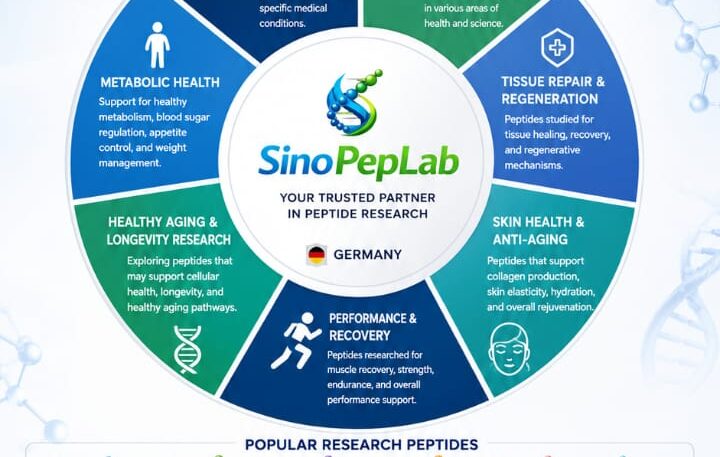
Benefits of Peptide Therapy For Metabolic Health
Benefits of Peptide Therapy for Metabolic Health
One of the best-established areas of peptide medicine is metabolic health.
Peptide-based medicines that act on incretin pathways have transformed the management of certain metabolic conditions. By influencing appetite regulation, glucose metabolism, and digestive processes, these medicines have demonstrated significant clinical benefits in appropriate patient populations.
Researchers continue investigating how peptide signaling affects:
.Appetite regulation
.Blood sugar control
,Energy balance
.Body weight regulation
.Insulin sensitivity
These advances have expanded scientific understanding of metabolic diseases and continue to inspire the development of next-generation peptide medicines.
GLP-1-Based Peptide Therapies
Among the most recognized peptide-based medicines are therapies that act on the GLP-1 (glucagon-like peptide-1) pathway.
These medicines have become an important area of clinical practice for certain metabolic conditions and are also stimulating broader research into peptide biology.
Scientists continue studying newer molecules that interact with multiple metabolic pathways to understand whether additional therapeutic approaches may improve outcomes.
As research evolves, GLP-1–related science remains one of the most active areas in peptide medicine.
Collagen Peptides And Connective Tissue Research
Collagen is the most abundant structural protein in the human body.
Researchers study collagen peptides because of their relationship with connective tissues, including:
.Skin
.Tendons
.Ligaments
.Cartilage
.Bones
Current research explores how collagen peptides influence normal collagen metabolism and connective tissue biology. While some studies have reported encouraging findings in specific contexts, results can vary depending on the population studied, peptide formulation, and research design.
Growth Hormone – Related Peptides
Growth hormone–related peptides are another important area of scientific investigation.
Researchers study these molecules to better understand hormonal regulation, growth factor signaling, and tissue biology.
Areas of ongoing investigation include:
.Muscle physiology
.Recovery mechanisms
.Protein synthesis
.Bone biology
.Hormonal regulation
Because endocrine signaling is highly complex, these peptides should only be evaluated within appropriate scientific or clinical frameworks.
BPC-157: Research on Tissue Biology
BPC-157 is one of the most discussed research peptides within regenerative medicine.
Researchers have explored BPC-157 in experimental models to better understand biological processes involved in:
.Tissue repair
.Tendon biology
.Ligament research
.Muscle recovery mechanisms
.Gastrointestinal tissue biology
Although preclinical findings have generated interest, further high-quality clinical research is needed to determine its role in human health. At present, BPC-157 remains a research peptide rather than an approved medicine in many regions.
TB-500 and Cellular Repair Research
TB-500 is another peptide frequently studied in regenerative medicine research
Scientists investigate its relationship with:
.Cell migration
.Tissue remodeling
.Wound healing biology
.Soft tissue research
.Musculoskeletal biology
Experimental studies continue to examine these mechanisms, but additional human research is necessary before drawing conclusions about clinical applications.
GHK-Cu and Skin Biology
GHK-Cu is a naturally occurring copper-binding peptide that has attracted attention in dermatological and regenerative research.
Scientists continue investigating its involvement in:
.Collagen synthesis
.Skin remodeling
.Connective tissue biology
.Cellular communication
.Cosmetic science
Its naturally occurring presence in the body has made it an interesting subject for ongoing laboratory research.
MOTS-C and Mitochondrial Function
One of the newer areas of peptide research involves mitochondrial-derived peptides such as MOTS-C
Mitochondria are responsible for producing much of the energy required by cells.
Researchers are investigating how MOTS-C may influence:
.Energy metabolism
.Exercise physiology
.Cellular stress responses
.Healthy aging biology
.Metabolic regulation
This remains an evolving field, with many questions still being explored.
Epitalon and Healthy Aging Research
Healthy aging has become one of the fastest-growing areas of biomedical science.
Among the peptides attracting scientific interest is Epitalon, which researchers study for its potential relationship with cellular aging processes.
Current investigations include:
.Cellular lifespan
.DNA stability
.Oxidative stress
.Circadian biology
.Healthy aging mechanisms
These studies contribute to a broader understanding of aging biology, though many questions remain under active investigation.
Why Peptide Quality Matters
The potential value of peptide research depends heavily on product quality.
Low-quality peptides may contain impurities, inconsistent concentrations, or degradation products that affect research reliability.
At Sinopeplab, we believe quality begins long before a peptide reaches a laboratory. Our commitment includes:
.High manufacturing standards
.Third-party testing
.High-performance liquid chromatography (HPLC) purity analysis
.Mass spectrometry identity verification
.Certificates of Analysis (COAs)
.Batch-to-batch consistency
.Reliable packaging and temperature-conscious shipping
These quality practices help support researchers seeking dependable materials for scientific investigation.
Peptide Therapy Is Not The Same As Steroids
One of the most common misconceptions is that peptide therapy and anabolic steroids are the same.
They are fundamentally different.
Steroids are hormone-derived compounds that influence numerous biological processes. Peptides, by contrast, are short chains of amino acids that often function as signaling molecules, interacting with specific receptors and pathways.
Because of these differences, peptide science represents a distinct field of research with its own mechanisms, applications, and regulatory considerations.
Key Takeaways
The benefits of peptide therapy continue to drive scientific interest across medicine and biotechnology. While approved peptide-based medicines have established roles in specific clinical settings, many research peptides remain under investigation as scientists explore their biological functions.
Understanding the distinction between evidence-based therapies and emerging research is essential for making informed decisions and interpreting new discoveries responsibly.
At Sinopeplab, our mission is to support the scientific community with transparent quality standards, educational resources, and reliable research peptides backed by rigorous testing and manufacturing practices
Before discussing the benefits of peptide therapy, it’s important to understand the difference between approved peptide medicines and research peptides.
Explore the Expanding Potential of Peptide Research
As peptide science continues to evolve, researchers are investigating how peptides interact with biological pathways involved in tissue maintenance, metabolism, cellular communication, and healthy aging. While some peptide-based medicines have established clinical uses, many other peptides remain the focus of ongoing laboratory and clinical research
Understanding the current evidence—and its limitations—is essential. Scientific progress depends on carefully designed studies, transparent reporting, and high-quality research materials.
At Sinopeplab, we believe education is just as important as supplying high-quality research peptides. Our goal is to help researchers, healthcare professionals, and scientifically curious readers understand both the opportunities and the current boundaries of peptide science.
Peptide Therapy And Tissue Repair Research
One of the fastest-growing areas of peptide research involves tissue repair and regenerative biology.
Every day, the human body continuously repairs skin, muscles, connective tissues, blood vessels, and internal organs through complex biological signaling. Researchers are investigating how certain peptides participate in or influence these natural processes.
Current areas of scientific interest include:
.Soft tissue biology
.Tendon and ligament research
.Muscle regeneration
.Bone remodeling
.Connective tissue maintenance
.Skin regeneration
.Cellular communication
The objective of this research is to better understand the body’s natural healing mechanisms rather than to assume specific clinical outcomes.
As research progresses, peptides may continue to provide valuable insights into regenerative medicine and tissue biology.
Peptide Research In Wound Healing And Scar Remodeling
Researchers are also exploring peptides involved in wound-healing biology.
The body’s repair process occurs in several coordinated stages:
.Inflammatory signaling
.Tissue formation
.Blood vessel development
.Collagen remodeling
.Scar maturation
Scientists continue studying how specific peptides may influence these biological pathways under experimental conditions.
Scar remodeling remains another important research area. Since collagen organization determines much of a scar’s final appearance, peptides associated with collagen metabolism continue attracting scientific attention.
Further clinical research is needed before conclusions can be made regarding therapeutic applications.
Peptides And Skin Health Research
Healthy skin depends on continuous cellular renewal.
Researchers investigate peptides involved in skin biology because they naturally participate in communication between skin cells.
Current scientific interest includes:
.Collagen production
.Elastin organization
.Skin hydration biology
.Extracellular matrix maintenance
.Cellular renewal
.Skin barrier function
Among the peptides receiving attention is GHK-Cu, which researchers continue studying for its role in connective tissue biology and skin-related cellular processes.
Understanding these mechanisms may contribute to future advances in dermatological research.
Health Aging And Longevity Research
Aging is one of the most complex biological processes scientists study.
Rather than focusing only on lifespan, researchers increasingly investigate healthspan—the period of life spent in good health.
Healthy aging research examines:
.Cellular communication
.DNA maintenance
.Mitochondrial biology
.Protein homeostasis
.Oxidative stress
.Inflammatory pathways
Peptides such as MOTS-C and Epitalon are being investigated as part of this broader effort to understand aging biology. While findings from laboratory studies continue to generate scientific interest, many important questions remain unanswered.
Understanding how cells maintain normal function over time may ultimately contribute to future therapeutic advances.
Performance And Exercise Physiology Research
Another rapidly growing area of peptide research involves exercise physiology.
Researchers continue investigating biological pathways involved in:
.Muscle adaptation
.Recovery biology
.Energy metabolism
.Protein turnover
.Mitochondrial efficiency
.Exercise recovery mechanisms
It is important to distinguish between scientific investigation and proven performance enhancement. Experimental findings should not be interpreted as established clinical outcomes without appropriate evidence.
Oethopedic and Bone Research
Bones constantly undergo remodeling throughout life.
Researchers study peptides because bone biology depends on highly coordinated cellular communication.
Current investigations include:
.Bone regeneration
.Osteoblast activity
.Connective tissue biology
.Joint research
.Orthopedic healing mechanisms
Improving scientific understanding of these biological processes may contribute to future developments in regenerative medicine.
Muscle Degeneration Research
Muscle biology remains another important field for peptide research.
Scientists investigate signaling molecules involved in:
.Muscle protein metabolism
.Cellular regeneration
.Muscle maintenance
.Age-related muscle changes
.Exercise recovery
.Neuromuscular communication
Because muscle health influences mobility, independence, and overall quality of life, research in this area continues expanding worldwide.
Why Peptide Purity Matters
Even the most promising peptide cannot support reliable research if its quality is inconsistent.
High peptide purity helps reduce unwanted variables in laboratory studies.
Researchers should always look for suppliers that provide:
.High-performance liquid chromatography (HPLC) testing
.Mass spectrometry verification
.Third-party laboratory testing
.Certificates of Analysis (COAs)
.Batch consistency
.Transparent manufacturing information
Purity is not simply a marketing claim—it is an important component of scientific reliability.
Understanding HPLC Testing
One of the most widely used quality-control methods in peptide manufacturing is High-Performance Liquid Chromatography (HPLC).
HPLC allows laboratories to analyze:
.Peptide purity
.Impurity profiles
.Batch consistency
.Manufacturing quality
Researchers frequently review HPLC chromatograms alongside Certificates of Analysis when evaluating peptide quality.
Why Mass Spectrometry Is Important
Mass spectrometry provides another level of quality verification.
Rather than measuring purity alone, it helps confirm that the molecular weight matches the intended peptide.
When combined with HPLC analysis, researchers gain greater confidence that a product has both the expected identity and high purity.
Manufacturing Standard Matter
Manufacturing quality begins long before laboratory testing.
Reliable peptide manufacturing involves:
.Careful raw material selection
.Controlled synthesis
.Purification procedures
.Analytical testing
.Quality assurance
.Stable packaging
.Controlled storage
.Batch documentation
Maintaining consistency from batch to batch is essential for meaningful scientific research.
Storage And Handling Of Research Peptides
Proper storage helps preserve peptide integrity.
Depending on the peptide and manufacturer recommendations, storage considerations may include:
.Temperature control
.Protection from moisture
.Protection from direct light
.Limiting repeated freeze-thaw cycles when applicable
.Following product-specific handling instructions
Researchers should always consult the accompanying documentation for storage guidance.
Why Researchers Choose SinoPepLab
Finding a reliable peptide supplier is one of the most important decisions a research laboratory can make.
Sinopeplab was established to address common challenges researchers face, including inconsistent product quality, limited transparency, and unreliable customer support.
Our mission is built on several core principles:
Quality First
Every research project depends on dependable materials. We prioritize manufacturing standards supported by analytical testing and quality documentation.
Transparency
Researchers deserve clear information about the products they purchase. We support transparency through Certificates of Analysis, HPLC testing, and mass spectrometry verification where applicable.
Technical Support
Scientific questions often require knowledgeable assistance. Our team aims to provide educational resources and responsive support to researchers.
Manufacturing Partnerships
By working with experienced manufacturing partners, we strive to maintain consistent product quality across batches.
Fast European Shipping
Based in Germany, Sinopeplab focuses on efficient delivery throughout Europe, including Germany, Spain, the United Kingdom, France, Italy, the Netherlands, Belgium, and many other countries, while also supporting worldwide shipping.
Educational Resources
We believe informed researchers make better decisions. That is why we invest in educational content explaining peptide science, quality standards, manufacturing processes, and current areas of research.
Europe’s Growing Role In Peptide Research
Europe continues to play an important role in biotechnology and peptide research.
Germany, in particular, is recognized for its strengths in pharmaceutical manufacturing, analytical chemistry, biotechnology, and life sciences.
As peptide research expands across Europe, access to transparent suppliers and reliable educational resources becomes increasingly valuable for research institutions and laboratories.
Looking Ahead
The Lfield of peptide therapy continues to evolve rapidly. Every year brings new discoveries, improved analytical techniques, and a deeper understanding of how peptides influence biological systems.
At Sinopeplab, we remain committed to supporting this progress through quality-focused manufacturing partnerships, transparent testing practices, educational resources, and reliable service for researchers across Europe and around the world.
As scientific knowledge grows, so does the importance of choosing trusted partners who value accuracy, consistency, and integrity.
Part 4: Safety , Risks , Common Myths, Regulatory Considerations , How To Choose High-Quality Peptides , And Frequently Asked Questions.
Is Peptide Therapy Safe ?
One of the most frequently searched questions online is “Is peptide therapy safe?” The answer depends on several important factors, including the specific peptide involved, its intended use, the available scientific evidence, product quality, and whether it is used under appropriate medical supervision.
It is important to understand that peptides are not all the same
Some peptide-based medicines have been thoroughly studied in clinical trials and approved by regulatory authorities for specific medical conditions. These medicines have established prescribing information, known side effects, and recommended dosing.
Other peptides are still considered investigational. Researchers continue to study these compounds to better understand their biological effects, but they have not necessarily been approved for routine clinical use.
Anyone considering peptide therapy should discuss appropriate options with a qualified healthcare professional. Research peptides should be used only within appropriate research settings and in accordance with applicable regulations.
Understanding Potential Risks
Like many biologically active compounds, peptides may carry risks depending on the specific product and how it is used.
Potential considerations include:
.Individual variation in response
.Product quality and purity
.Storage and handling conditions
.Manufacturing consistency
.Appropriate medical supervision for approved therapeutic uses
.Limited evidence for investigational peptides
This is why choosing products supported by analytical testing and transparent manufacturing practices is essential for research applications.
Common Myths About Peptide Therapy
The growing popularity of peptide therapy has also led to misinformation. Understanding the facts can help readers make more informed decisions.
Myth 1: Peptide Therapy Is The Same As Steroids
False.
Peptides and anabolic steroids are entirely different classes of compounds.
Steroids are hormone-derived molecules that interact with hormone receptors.
Peptides are short chains of amino acids that often function as signaling molecules by interacting with specific biological receptors.
Their structures, mechanisms, and scientific applications differ significantly.
Myth 2: All Peptides Are Experimental
False.
Some peptide-based medicines have been approved for clinical use following extensive research and regulatory review.
At the same time, many peptides remain under scientific investigation.
Understanding which category a peptide belongs to is essential.
Myth 3: Peptides Work Instantly
False.
Biological processes are complex.
Even approved therapies do not necessarily produce immediate results.
Researchers study peptide signaling over varying timeframes depending on the biological process being investigated.
Myth 4 : Peptides Are Dangerous
This statement is too broad to be accurate.
Peptides naturally occur throughout the human body and play important biological roles.
The safety profile of any peptide depends on the specific compound, available evidence, product quality, and the context in which it is used.
Why Choosing A Trusted Supplier Matters
One of the biggest challenges within the peptide industry is product quality.
Researchers frequently report concerns such as:
.Unknown manufacturing sources
.Missing Certificates of Analysis
.Inconsistent batch quality
.Low purity
.Poor packaging
.Inadequate shipping practices
.Limited customer support
These issues can affect research reliability and confidence in study results.
Choosing a supplier committed to transparency and quality assurance helps reduce these risks.
How To Evaluate A High-Quality Peptides Supplier
Before purchasing research peptides, consider the following questions:
Does the supplier provide Certificate of Analysis (COAs) ?
Reliable suppliers should provide documentation describing product testing.
Is HPLC testing Available
High-Performance Liquid Chromatography is commonly used to evaluate peptide purity.
Is Mass Spectrometry Used ?
Mass spectrometry helps verify molecular identity.
Are Manufacturing Standard Explained ?
Transparent suppliers describe their quality systems and manufacturing partnerships.
Is Customer Support Available ?
Scientific questions often require knowledgeable assistance.
Reliable technical support reflects a commitment to researchers.
Are Shipping Methods Appropriate ?
Packaging and shipping conditions can influence peptide stability.
Researchers should look for suppliers that prioritize careful handling.
Why Quality Documentation Matters
Scientific research depends on reproducibility.
Without consistent product quality, it becomes difficult to compare research findings across experiments.
Important quality documents include:
.Certificates of Analysis (COAs)
.HPLC reports
.Mass spectrometry reports (where applicable)
.Batch numbers
.Storage recommendations
These documents improve transparency and help researchers evaluate product quality.
Sinopeplab’s Commitment To Quality
At Sinopeplab, quality is more than a marketing statement.
It is the foundation of our business.
As a Germany-based supplier serving researchers across Europe and worldwide, our mission is to support scientific research through transparency, education, and dependable quality standards.
Our commitment includes:
.Manufacturing partnerships focused on consistency
.Third-party analytical testing
.HPLC purity analysis
.Mass spectrometry verification
.Certificates of Analysis
.Batch-to-batch consistency
.Technical support
.Educational resources
.Fast delivery across Europe and worldwide shipping
We believe that informed researchers make better scientific decisions.
That is why education remains an important part of everything we do.
Frequently Asked Questions About Peptides Therapy
What Are Peptide Therapy
Peptide therapy refers to the use of specific peptides that interact with biological pathways. Some peptide-based medicines are approved for clinical use, while many other peptides remain under scientific investigation.
What Are the benefits of peptide therapy
The benefits depend on the specific peptide being discussed. Approved peptide medicines have demonstrated benefits for certain medical conditions, while researchers continue investigating other peptides in areas such as metabolism, tissue biology, healthy aging, and cellular communication.
Are Peptides Natural?
Many peptides occur naturally within the human body, where they help regulate important biological functions.
Are Peptides Proteins ?
No.
Peptides are shorter chains of amino acids, while proteins are generally larger and more complex.
What is the difference between research peptides and pharmaceutical peptides ?
Research peptides are investigated to improve scientific understanding of biological systems.
Pharmaceutical peptides have undergone regulatory review and are approved for specific clinical applications.
Why is HPLC testing Important ?
HPLC helps evaluate peptide purity and identify impurities, making it an important quality-control tool.
What does 99% Peptides Purity Means ?
A reported purity of 99% generally indicates that the analytical testing found a very high proportion of the intended peptide relative to detectable impurities. The reported value depends on the analytical method used, such as HPLC.
Why Should Peptides Be Stored Correctly ?
Improper storage conditions may affect peptide stability. Researchers should always follow the manufacturer’s storage recommendations for each product.
How Do i know if a peptides supplier is trusthworthy
Look for suppliers that provide:
.Transparent quality documentation
.Certificates of Analysis
.HPLC testing
.Mass spectrometry verification where appropriate
.Responsive customer support
.Clear storage guidance
.Reliable shipping practices
Why Choose SinoPepLab ?
Sinopeplab combines more than 10 years of industry experience with manufacturing partnerships, third-party testing, educational resources, and fast delivery throughout Europe and worldwide. Our goal is to support researchers with dependable products and transparent quality standards.
The Future Of Peptides Therapy
Peptide science is advancing rapidly, driven by breakthroughs in biotechnology, molecular biology, pharmaceutical research, and regenerative medicine. Researchers are uncovering new ways peptides participate in cellular communication, hormone regulation, metabolism, immune responses, and tissue maintenance.
As scientific knowledge expands, peptide-based medicines and research compounds are expected to remain an important focus of biomedical innovation. New analytical technologies, improved manufacturing methods, and a deeper understanding of disease biology are helping researchers develop more targeted peptide-based approaches.
Future research is expected to continue exploring areas such as:
.Precision medicine
.Metabolic health
.Healthy aging
.Skin biology
.Tissue engineering
.Orthopedic research
.Mitochondrial biology
.Neuroscience
.Drug delivery systems
.Personalized medicine
Although many exciting discoveries lie ahead, continued clinical research will be essential to determine which investigational peptides ultimately prove safe and effective for specific medical uses.
Europe’s Role In Peptide Innovation
Europe has become one of the world’s leading regions for biotechnology, pharmaceutical manufacturing, and peptide research.
Countries such as Germany, Spain, the United Kingdom, France, Switzerland, Belgium, Italy, and the Netherlands continue investing heavily in life sciences and biomedical innovation.
Germany, where Sinopeplab is based, is internationally recognized for its strong pharmaceutical industry, advanced laboratory infrastructure, analytical chemistry expertise, and manufacturing quality standards.
As demand for high-quality research peptides continues growing across Europe, transparency, quality assurance, and scientific education have become increasingly important.
Researchers today expect more than simply purchasing a product—they expect dependable documentation, consistent quality, and knowledgeable support.
Why Quality Will Always Matter
Scientific discoveries depend on reliable research materials.
Even the most advanced laboratory cannot produce meaningful results if research materials are inconsistent.
High-quality peptides help improve:
.Research reproducibility
.Experimental consistency
.Analytical confidence
.Scientific transparency
.Laboratory efficiency
For this reason, quality assurance remains one of the most important aspects of peptide manufacturing.
Researchers should always seek suppliers that provide:
.Third-party testing
.Certificates of Analysis (COAs)
.High-Performance Liquid Chromatography (HPLC) reports
.Mass spectrometry verification where appropriate
.Batch consistency
.Transparent manufacturing information
These practices support better research and greater confidence in scientific outcomes.
Why Researcher Across Europe Choose SinoPepLab
At Sinopeplab, we understand the challenges researchers face when searching for dependable peptide suppliers.
The peptide industry has often been affected by inconsistent quality, limited transparency, uncertain manufacturing standards, and unreliable customer service.
Our mission is to help address these challenges by combining scientific quality with customer-focused support.
More than 10 years Of Industry Experience
Although Sinopeplab entered the international market in December 2024, our team brings more than a decade of experience in peptide manufacturing, quality assurance, and industry knowledge.
Manufacturing Partnerships
We work with experienced manufacturing partners committed to producing research peptides using established quality standards.
Analytical Quality Testing
Quality is supported through analytical testing methods including:
.HPLC purity analysis
.Mass spectrometry verification
.Third-party laboratory testing
.Certificates of Analysis
Batch-to-Batch Consistency
Consistency is essential for reproducible scientific research. We aim to maintain reliable quality across manufacturing batches.
Fast European Delivery
From our base in Germany, we support researchers across Europe with efficient shipping to countries including Spain, the United Kingdom, France, Italy, Belgium, the Netherlands, and many others, while also offering worldwide delivery.
Education First
We believe knowledge builds trust.
That is why Sinopeplab is committed to publishing educational articles that explain peptide science, manufacturing quality, analytical testing, storage practices, and emerging research in clear, evidence-informed language.
Frequently Asked Questions
- What are the benefits of peptide therapy ?
The benefits depend on the specific peptide. Some peptide-based medicines have established clinical uses, while many research peptides are being investigated for their roles in metabolism, tissue biology, skin research, and healthy aging. - How does peptide therapy work ?
Peptides interact with specific receptors and signaling pathways, helping regulate biological communication between cells. - Are Peptides therapies approved ?
Some peptide therapies are approved for particular medical conditions. Many others remain investigational and are still being studied. - Are Peptides the same as Steroids ?
No. Peptides are short chains of amino acids, while steroids are hormone-derived compounds with different structures and mechanisms. - Are Peptides Natural ?
Many peptides occur naturally in the human body and play essential roles in normal physiology. - What is the difference between peptides and proteins ?
Peptides are shorter chains of amino acids. Proteins are generally larger molecules composed of longer amino acid chains. - What are research peptides?
Research peptides are compounds used to investigate biological processes and are not necessarily approved medicines. - Why is Peptide Purity Important?
High purity helps reduce impurities that could affect research quality and reproducibility. - What is HPLC testing?
High-Performance Liquid Chromatography (HPLC) is an analytical technique commonly used to assess peptide purity. - What does Mass Spectrometry do ?
Mass spectrometry helps confirm the molecular identity of a peptide by measuring its molecular weight. - Why are Certificate of Analysis Important?
COAs provide documented information about analytical testing and product quality. - Can Peptides degrade Over time ?
Yes. Storage conditions such as temperature, moisture, and light exposure may influence peptide stability. Always follow the manufacturer’s recommendations. - Why is Batch Consistency Important?
Consistent manufacturing helps researchers obtain reproducible and reliable results. - How do i Choose a Peptide Supplier ?
Look for transparency, quality documentation, analytical testing, responsive customer support, and clear manufacturing standards. - Does SinoPepLab Ship Across Europe ?
Yes. Sinopeplab serves researchers across Europe and offers worldwide shipping. - Does Sinopeplab Provide Quality Documentation ?
Products are supported by quality documentation, including Certificates of Analysis and analytical testing information where applicable. - Why is Transparency important in Peptides Research
Transparency allows researchers to evaluate product quality and make informed purchasing decisions. - What fields of Research Use Peptides ?
Peptides are studied in areas including regenerative medicine, metabolic research, endocrinology, dermatology, orthopedics, healthy aging, and molecular biology. - Why are Peptides Becoming more Popular ?
Growing scientific research, advances in biotechnology, and the development of peptide-based medicines have increased interest in peptide science. - Where can I learn more about Peptide Research ?
Educational resources, peer-reviewed scientific literature, and transparent research suppliers can help readers stay informed about developments in peptide science.
Continue Your Research Journey
Peptide science continues to evolve, and staying informed is essential. Whether you are beginning your research or expanding an existing project, understanding peptide biology, manufacturing quality, and current evidence can help you make better-informed decisions.
Explore our educational resources to learn more about:
.What Are Peptides?
.Research Articles
.BPC-157 Guide
.TB-500 Guide
.GHK-Cu Guide
.MOTS-C Guide
.Epitalon Guide
.Retatrutide Guide
.Tirzepatide Guide
.Peptide Storage and Handling
.Understanding HPLC Testing
.How to Read a Certificate of Analysis (COA)
Final Thoughts
The future of peptide science is promising, but meaningful progress depends on rigorous research, transparent reporting, and high-quality manufacturing. While some peptide-based medicines have transformed patient care in specific areas, many other peptides remain under active investigation, highlighting the importance of distinguishing established evidence from emerging research.
At Sinopeplab, we are committed to supporting the scientific community through quality-focused manufacturing partnerships, transparent testing practices, educational content, and dependable service. Our goal is to help researchers across Europe and around the world access research materials backed by analytical quality standards while promoting a better understanding of peptide science.
Whether you are a researcher, healthcare professional, biohacker, fitness enthusiast, or someone exploring peptide science for the first time, we invite you to continue learning with us.
Browse our research products, explore our educational articles, or contact the Sinopeplab team to learn more about our commitment to quality, transparency, and scientific excellence.- 1